|
Good day! This week: the trials and new laws that followed Adolescence, the largest study yet on purpose and long life, the first Renaissance woman to paint the female nude, and why this Saturday's Halloween is a rare one. First, our latest spotlights.
This Week's Spotlights
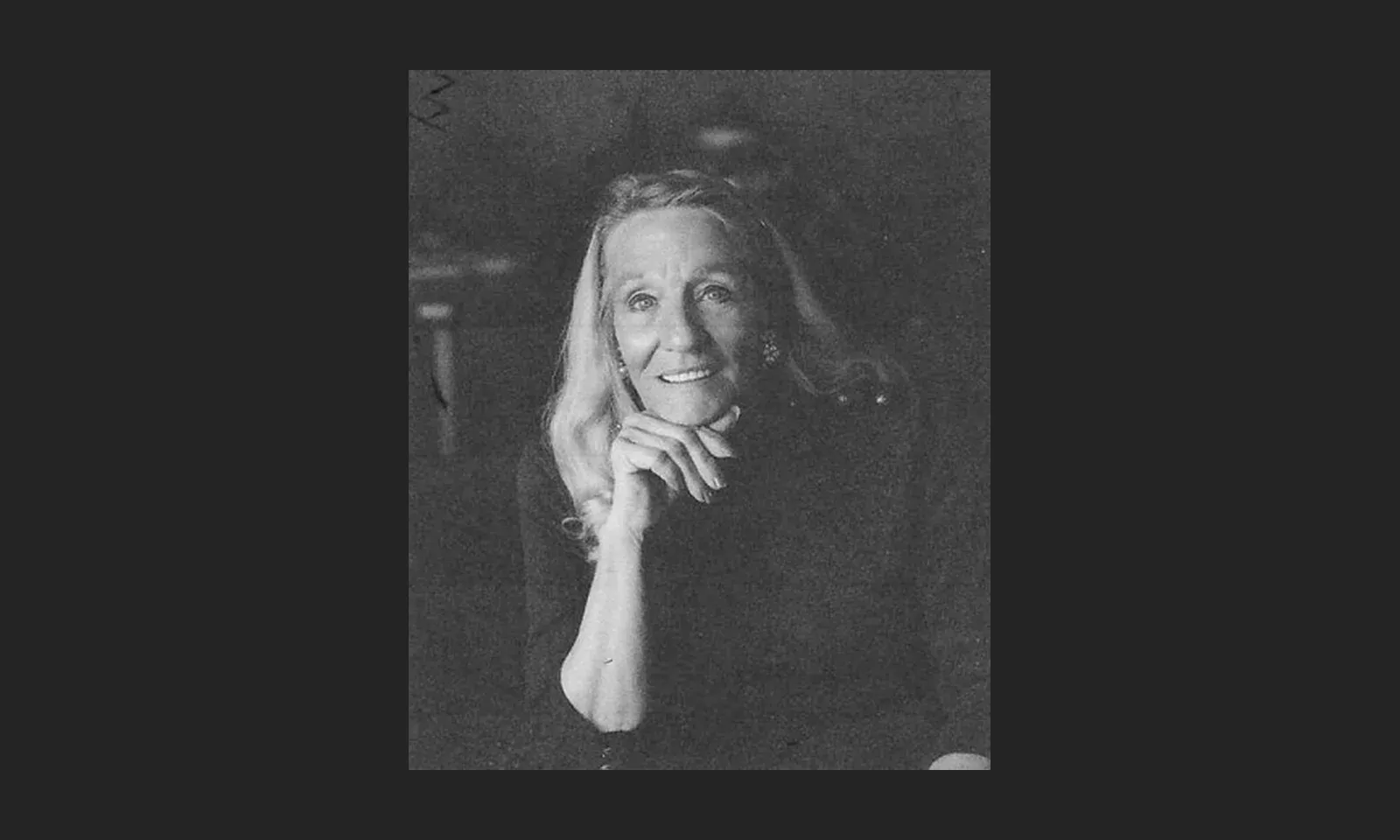
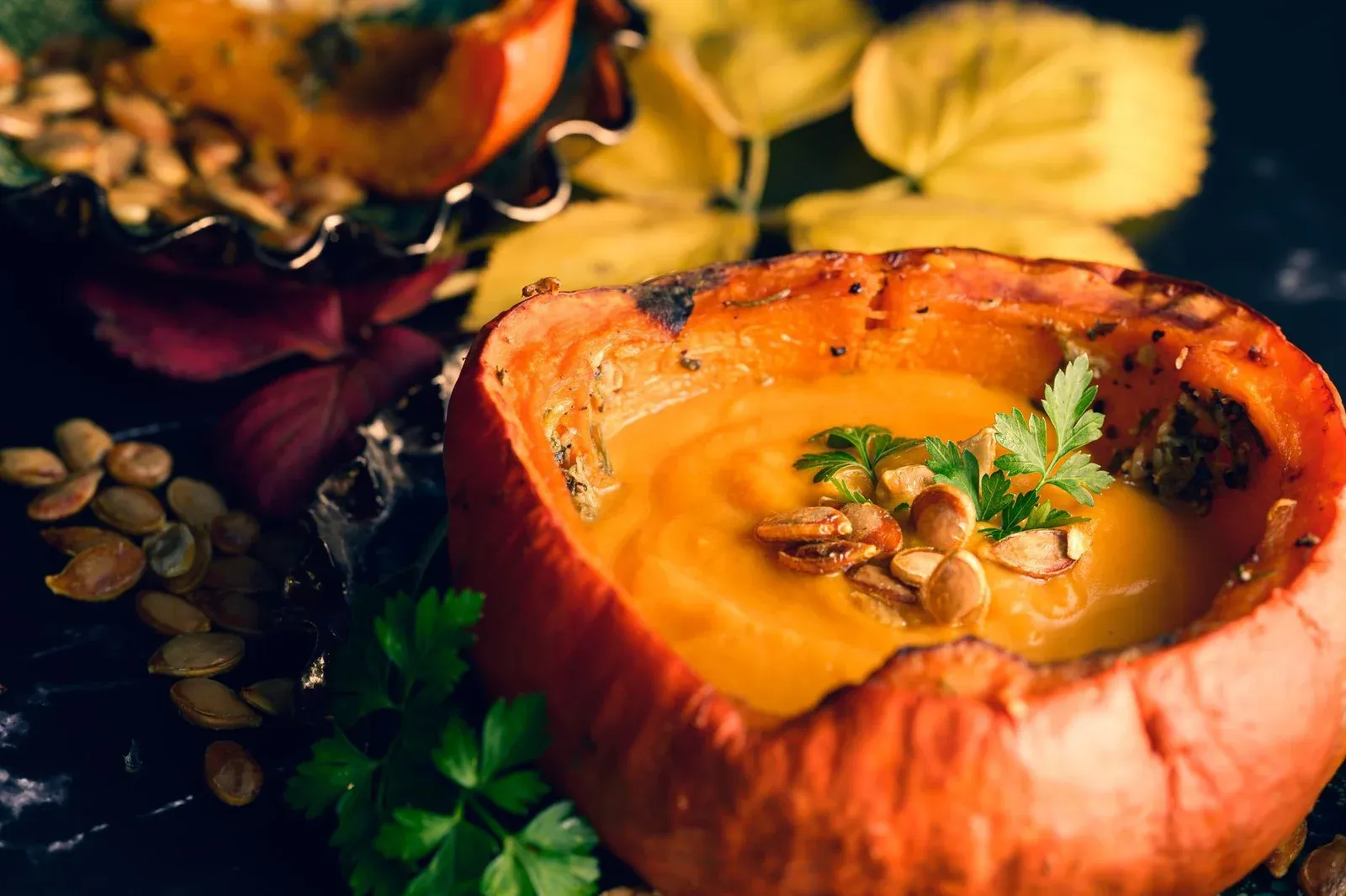
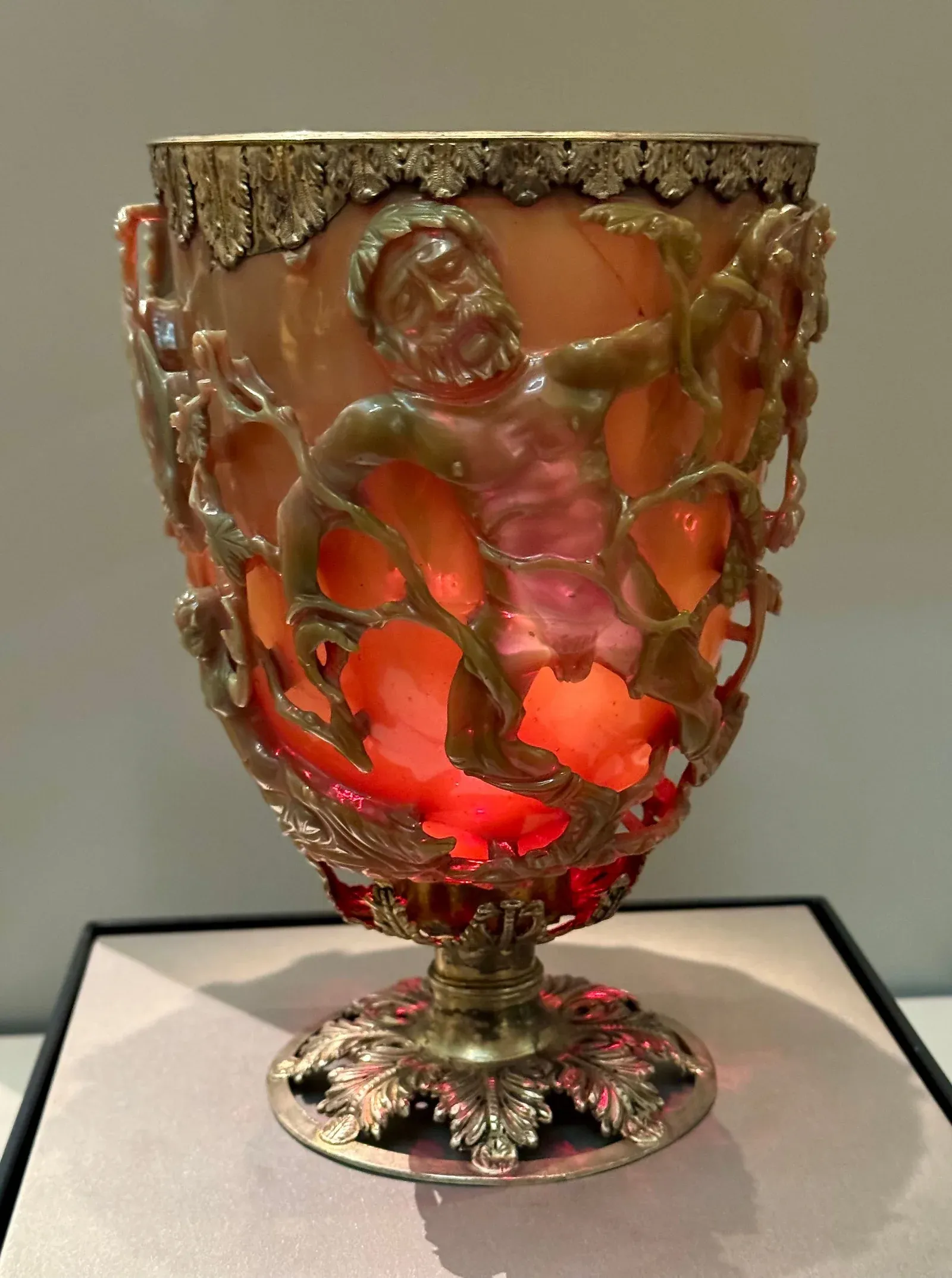
This Week's DigestNetflix's Adolescence left parents with an uncomfortable question: how much of a child's online life can anyone at home actually see? In the year since, juries, lawmakers and bereaved families have moved against the platforms. On 25th March a Los Angeles jury found Meta and YouTube negligent in the first trial of its kind over social media addiction. Our feature walks through the verdicts, the families who brought the cases and what the new rules mean for the platforms children use every day. In July, researchers pooled 25 long-running studies covering 488,765 people followed for up to 32 years. Those with a weak sense of purpose faced roughly a 30% higher risk of dying early than those with a strong one, in the largest analysis of purpose and longevity ever published. Purpose does not have to be grand. It can come from work, family, faith or a goal you set yourself, and the piece looks at how to rebuild it after the moments that shake it: the last child leaving home, the end of a long career, a parent who needs care. In 1613 Cardinal Scipione Borghese took delivery of a Minerva more than two and a half metres tall, painted by a 61-year-old woman who had given birth eleven times. Lavinia Fontana is widely credited as the first professional woman artist in Europe to paint the female nude, and her goddesses are more openly sensual than most painted by the men around her. Why did a painter raised in devout Counter-Reformation Bologna make them? The feature weighs the three explanations that keep coming up: rebellion against a strict father, a sharp commercial instinct and her own private experience. This Saturday's Halloween is the first on a weekend since 2020, and the last until 2037. Very few of the children ringing doorbells will know they are acting out a ritual older than Christianity in these islands. It began as Samhain, the Celtic festival that closed the harvest and opened the winter, when the boundary between the living and the dead was said to grow thin. Our piece traces how the Church turned Samhain Eve into All Hallows' Eve, and how the night became the one we know.
Also This Week
That is all for this week. See you next Wednesday.
|